Mirae
Overview
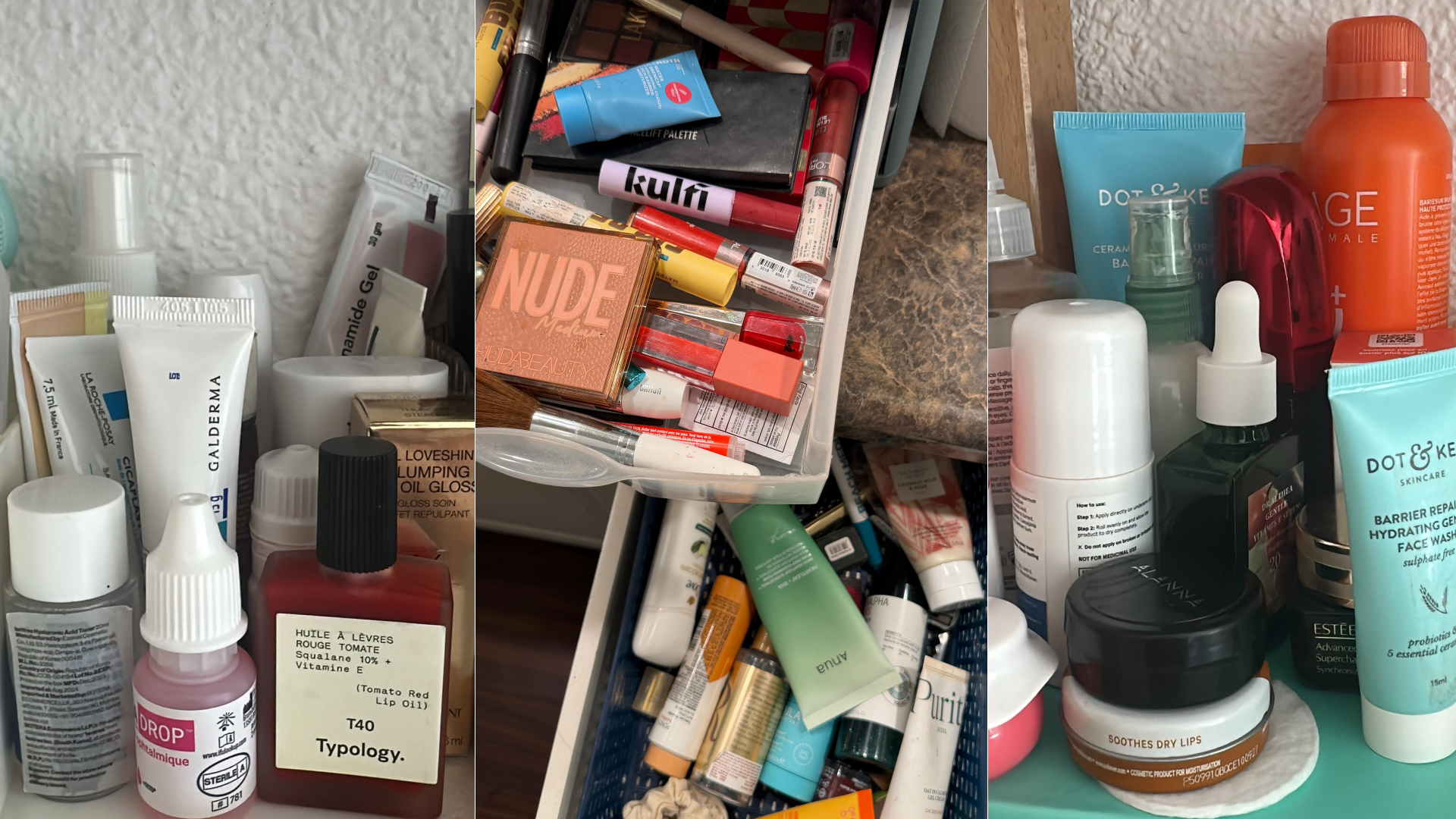
Most people don't have a beauty problem, they have a clarity problem. The drawer is full, the routine collapses by Wednesday, and every tutorial assumes you've got 45 minutes and nowhere to be.
The products were never the issue
I talked to 20 people about their routines and the numbers said the same thing they did. 75% of what they owned went unused, nearly half couldn't keep a routine going past a few days, and 60% were still figuring makeup out at all. They knew enough. They just kept stopping.
Every beauty app answers this by adding something
Beauty runs on overconsumption. Hauls, shelfies, 12-step routines, a new must-have every month. People keep buying and end up with more than they can use, which is how you get a full drawer that never gets touched. The apps do the same thing, handing you more products to discover and more tutorials to watch when the drawer is already the problem.
So the question wasn't what to build. It was what to leave out.
Mirae works from the shelf you already have
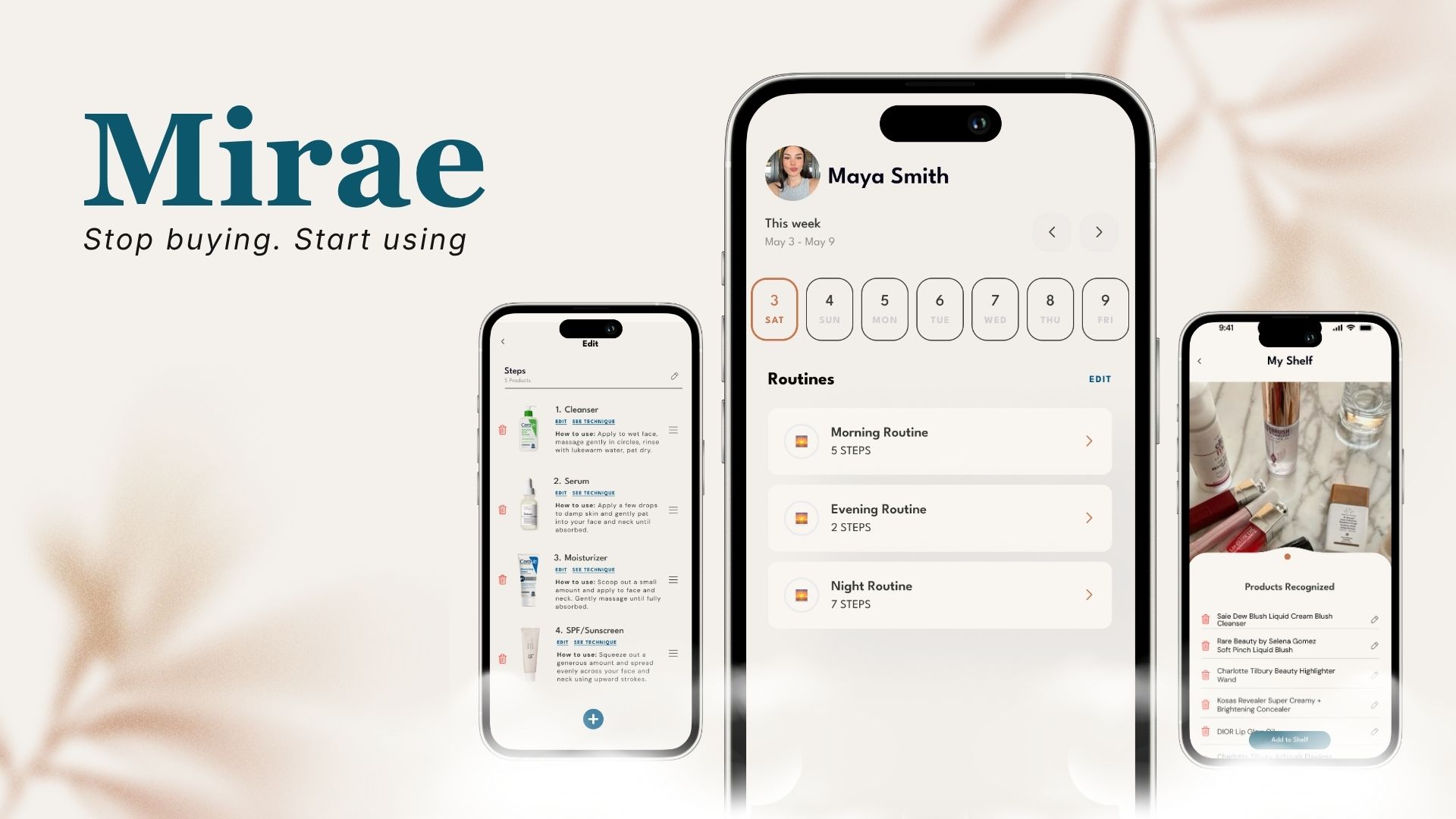
You photograph what you own, confirm what it found, and get a routine built from those products. No recommendations, no feed, nothing social.
Solution
Mirae: add everything you own, get every way to use it.
Key design moments
I made setup harder than the problem
The first version had you add products manually, one at a time. These people have 40 things in a drawer and I was asking them to type all of it in before the app did anything useful, so I'd built more friction into a product meant to remove it.
Scanning fixed it. You photograph the shelf, AI reads the packaging, and you're in. It's the part of the project I'm most glad I pushed on, because setup was where this app was going to lose people.
Nobody asked what to buy next
Going in I assumed people wanted recommendations, because that's what every beauty app does. Twenty interviews and not one person brought it up. What they said instead was some version of I have all this stuff and I don't know what to do with it.
So every flow starts from the real drawer rather than a wishlist.
Reflection
Not every good feature deserves to ship.
I had so many ideas going in. Recommendations, a feed, mood-based looks, all things I genuinely thought would make the app better. Some of them were good ideas, they just weren't good for this product. The hard part wasn't coming up with features, it was admitting which ones were there because I wanted to build them.
More projects